12 Benefits of Chair Yoga for Older Adults You Should Know
One of the biggest benefits of chair yoga is that it gives older adults fitness without the usual punishment. You still move the shoulders, hips, knees, ankles, and spine, but you do it with support. That matters. A lot of people quit exercise because the floor feels intimidating, standing balance feels shaky, or their joints complain the next day. Chair yoga removes a good chunk of that friction. You can stretch tight muscles, wake up sleepy joints, and improve range of motion without asking your body to absorb impact it no longer enjoys.
It also does more for strength than people expect. Holding your posture tall in a chair works the core. Pressing feet into the floor and lifting one leg at a time wakes up the thighs and hips. Slow arm movements build shoulder endurance. No, it is not the same as lifting heavy weights, but it absolutely counts. For many older adults, seated yoga benefits start with this exact sweet spot: enough challenge to build function, not so much strain that recovery becomes the whole story.
Better Balance Starts While You’re Still Sitting
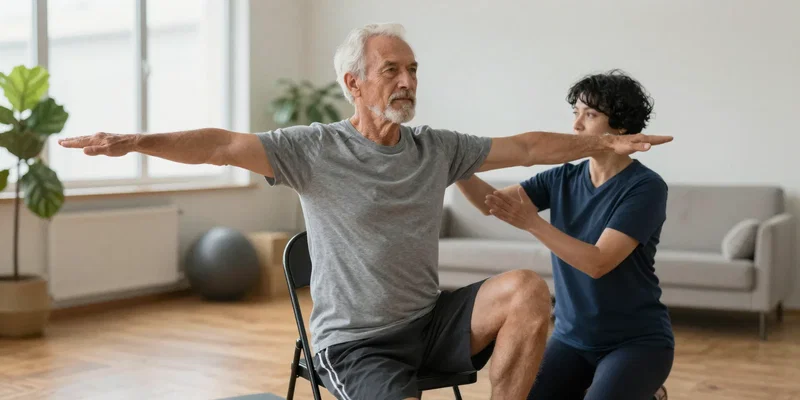
People often think balance training has to happen standing on one foot with a grim expression. Actually, seated work is a smart place to begin. Chair yoga teaches balance from the center out. When older adults sit tall, shift weight side to side, reach across the body, or lift one foot while staying steady, they train coordination, posture, and body awareness in a safer position. That’s not a small thing. Better balance is often just better control repeated often enough.
There’s also a confidence piece here that doesn’t get enough credit. Fear of falling can make people move less, and moving less usually makes balance worse. Chair yoga interrupts that cycle. It lets someone practice controlled movement without that constant low-grade worry of “what if I tip over?” Over time, improved trunk strength, better joint awareness, and more comfortable movement patterns can carry into walking, standing up from a chair, stepping into the shower, or turning around in the kitchen without feeling unsteady.
It Eases Stiffness and Can Take the Edge Off Daily Pain
Morning stiffness, cranky hips, tight shoulders, lower back tension—this is where chair yoga can be surprisingly practical. Slow, controlled movement increases circulation to muscles and helps joints feel less rusty. If someone has arthritis or general wear-and-tear discomfort, the answer is rarely total stillness. Usually, the body feels better with the right kind of motion. Chair yoga gives that motion in manageable doses. Neck rolls, ankle circles, seated cat-cow, and gentle twists can make the body feel more usable, which is a real quality-of-life win.
That said, the point is not to force range of motion or chase deep stretches. Good chair yoga respects pain signals. It works with the body you have today, not the one you had at 40. For older adults, that makes it sustainable. And sustainable movement is what pays off. When the body feels a bit less stiff and a bit less sore, people are more likely to keep walking, cooking, gardening, visiting friends, and doing the normal things that make life feel like life.
Chair Yoga Supports Heart Health Without Feeling Like a Workout
Not every workout needs to leave you sweaty and annoyed. Some of the best seated yoga benefits come from steady, repeatable movement that gently nudges the cardiovascular system. Flowing from one seated posture to another, coordinating breath with arm lifts, tapping feet, and doing controlled leg work can raise circulation without overwhelming the body. For older adults who are deconditioned, recovering from illness, or just plain turned off by conventional exercise, that lower entry point is gold.
It also helps with the hidden side of fitness: consistency. A short chair yoga routine is easier to repeat than a demanding class that requires travel, special gear, floor transitions, or a high tolerance for discomfort. And when movement becomes a routine instead of a battle, heart health tends to benefit. Regular practice may support blood flow, reduce sedentary time, and make everyday tasks feel less tiring. That doesn’t sound flashy, but it is exactly the kind of progress that matters in real life.
Breathing, Focus, and Mood Get a Real Boost Too
Chair yoga is not just stretching with better branding. Done well, it trains breathing and attention, and that can change how someone feels during the day. Many older adults breathe shallowly without noticing, especially when they are tense, rushed, or dealing with pain. Seated yoga encourages slower, fuller breaths while the body moves gently. That can ease stress, reduce that wound-up feeling in the shoulders and chest, and bring a sense of calm that feels physical, not abstract.
Then there’s focus. Following a sequence, noticing posture, matching movement to breath—these are small mental tasks, but they add up. Chair yoga asks the brain to stay engaged without becoming overwhelmed. For some people, that means better concentration. For others, it simply means a break from rumination and worry. Senior wellness is not just about joints and muscles; it is also about feeling steadier mentally. A few minutes of guided seated movement can leave people more alert, less anxious, and more grounded than they were when they sat down.
It Makes Everyday Life Easier, Which Is the Benefit That Counts Most
The best argument for chair yoga is simple: it helps people do ordinary things with less effort. Reaching a shelf. Turning to look behind while backing up. Standing from a chair without using both hands. Getting dressed. Climbing a few steps. Walking a little farther. These are not glamorous milestones, but they are the backbone of independence. When older adults build flexibility, posture, coordination, and basic strength through chair yoga, daily life often feels less awkward and less draining.
There’s a social upside too. Because chair yoga is accessible, it works well in community centers, senior living spaces, rehab settings, and living rooms with a tablet propped on the table. People who feel excluded from standard exercise classes can actually participate. That sense of “I can do this” matters. It keeps movement on the table instead of turning fitness into something only younger or more athletic people get to enjoy. If you’re weighing the benefits of chair yoga against the usual excuses—too stiff, too old, too tired, too nervous—this is the point that cuts through all of them. It meets people where they are and helps them keep more of the life they want.